How Tooth Decay Impacts Dental Implants and Effective Care

The Hidden Link Between Tooth Decay and Implant Health
Tooth decay is often associated with natural teeth, but its impact doesn’t stop there. When decay-causing bacteria are left untreated, they can spread to surrounding gums and bone. This creates an unhealthy oral environment that may compromise existing dental work, including implants. Even though implants themselves can’t decay, the tissues supporting them certainly can.
In the early stages, decay in neighbouring teeth can introduce harmful bacteria around implant sites. People searching for dental implants near me are often surprised to learn that untreated cavities elsewhere in the mouth may increase the risk of implant complications if overall oral health is neglected.
Gum Disease Triggered by Decay Around Implants
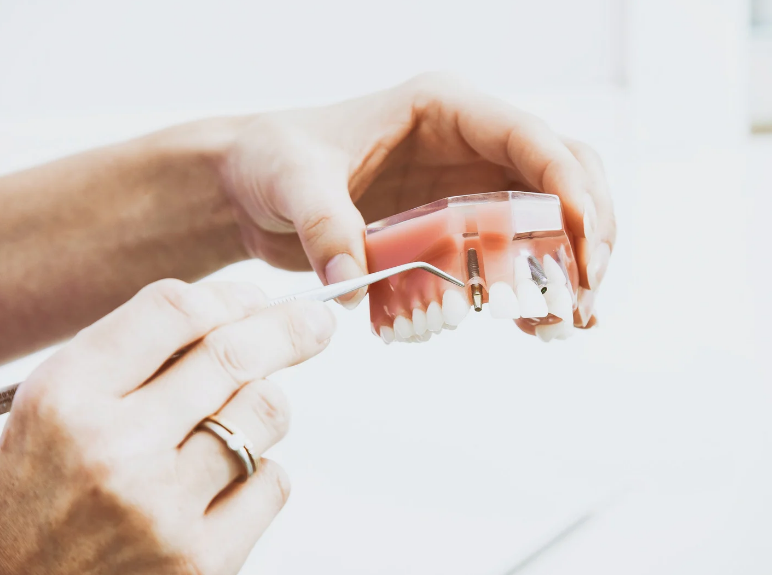
Decay and gum disease are closely connected. When cavities progress, they often lead to inflammation of the gums. This inflammation can develop into peri-implant mucositis, a condition affecting the soft tissue around dental implants. If ignored, it may advance into peri-implantitis, which causes bone loss around the implant.
Once bone support weakens, implant stability is threatened. Bleeding gums, swelling, persistent bad breath, and discomfort around the implant area are warning signs that should never be overlooked. Maintaining decay-free teeth is crucial for preventing these complications.
Bone Loss and Its Effect on Implant Stability
Advanced tooth decay can lead to infection reaching the jawbone. Bone infections don’t just affect the decayed tooth; they can weaken the overall structure of the jaw. Dental implants rely on strong, healthy bone to remain firmly anchored, so any bone deterioration reduces their long-term success.
In severe cases, bone loss caused by decay may require additional procedures such as bone grafting before implants can even be considered. This highlights why early cavity management is essential for anyone with implants or planning to get them in the future.
The Role of Oral Hygiene in Implant Longevity
Daily oral hygiene habits directly influence the longevity of dental implants. Plaque buildup from poor brushing and flossing encourages decay and bacterial growth. These bacteria don’t discriminate between natural teeth and implants, affecting both equally in terms of surrounding tissue health.
Effective care includes brushing twice daily with a soft-bristled toothbrush, flossing carefully around implant posts, and using antibacterial mouth rinses when recommended. A clean mouth significantly reduces decay-related risks to implants.
Diet Choices That Influence Decay and Implant Health
Diet plays a major role in tooth decay development. Frequent consumption of sugary snacks, soft drinks, and refined carbohydrates feeds harmful bacteria. These bacteria produce acids that erode enamel and irritate gums, indirectly placing implants at risk.
Opting for a balanced diet rich in calcium, lean proteins, fibre, and vitamins supports strong teeth and healthy gums. Drinking plenty of water also helps wash away food particles and neutralise acids that contribute to decay.
Professional Dental Care and Preventive Monitoring
Regular dental check-ups are essential for identifying decay before it affects implants. Dentists can detect early signs of cavities, gum inflammation, and bone loss using professional tools and imaging. Early intervention often prevents more complex and costly treatments.
Professional cleans remove hardened plaque that brushing alone can’t eliminate. For individuals with implants, these appointments ensure both natural teeth and implant-supported restorations remain in optimal condition.
Managing Existing Decay with Dental Implants
If decay is present alongside implants, prompt treatment is critical. Fillings, root canal therapy, or extractions may be required depending on severity. Addressing decay quickly limits bacterial spread and protects implant sites from infection.
People looking for dental implants near me should always prioritise treating existing cavities before implant placement. A healthy foundation ensures implants integrate successfully and function as intended for years to come.
Long-Term Care Strategies for Implant Protection
Long-term implant success depends on consistency. Establishing a routine that includes excellent hygiene, sensible diet choices, and scheduled dental visits helps prevent decay-related complications. Smoking cessation is also vital, as smoking significantly increases the risk of gum disease and implant failure.
By controlling decay and maintaining strong oral health habits, dental implants can remain secure, comfortable, and functional over the long term.
FAQs
Can tooth decay directly damage dental implants?
No, implants themselves cannot decay, but bacteria that cause decay can damage the gums and bone supporting them, leading to implant complications.
How often should I visit the dentist if I have implants?
Most dentists recommend check-ups every six months, though some patients may need more frequent visits based on their oral health.
Is special cleaning required around dental implants?
Yes, careful brushing, flossing, and sometimes specialised tools are recommended to clean around implant posts and prevent plaque buildup.
Why should cavities be treated before getting implants?
Untreated decay increases infection risk and can compromise bone health, reducing the chances of successful implant placement.
Rouse Hill Smiles Dental Care
G07-G08 2/4 Aberdour Ave, Rouse Hill NSW 2155, Australia
+61283200548


Comments